
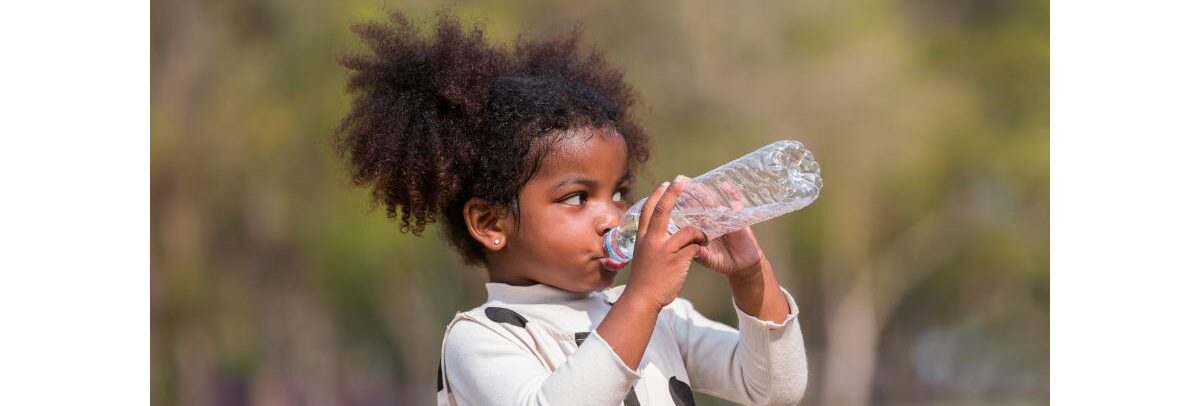
Many toddlers go through phases of drinking more water than usual. Most of the time it reflects normal growth, activity, hot weather, or simple curiosity about a favorite cup. A smaller number of children drink excessively because of an underlying medical issue, and a few of those issues are urgent. This handout is meant to help you tell normal toddler thirst apart from the kind of thirst that deserves a prompt call to our office.
Normal Toddler Thirst
Typical daily fluid intake at this age:
- Children between one and three years need roughly four cups of total fluids per day, about 32 ounces or one liter. This total includes water and milk.
These numbers are averages, not strict targets. Intake naturally rises on hot days, during illness, or with physical activity. Older children, four to eight years, need closer to five cups per day.
Common reasons for a temporary increase in drinking include active play, hot or humid weather, dry heated indoor air in winter, curiosity about a new cup, and the simple habit of carrying a bottle around. If your toddler is drinking a little more than usual but is otherwise eating, sleeping, and playing normally, this is almost always harmless.
Short-Term Causes of Increased Thirst
Fluid needs go up temporarily with several everyday conditions:
- Fever.
- Diarrhea or vomiting.
- Rapid breathing during a respiratory illness.
- Certain medications, including antihistamines, decongestants, oral steroids, and ADHD stimulants, which can dry the mouth and increase thirst.
Once the illness resolves or the medication is finished, thirst should return to baseline.
Red Flags That Warrant a Same-Day Call
Contact us the same day if your child has any of the following, particularly if more than one is present:
- Persistent, dramatic increase in drinking that continues day after day.
- Frequent urination, including new bedwetting in a previously dry child. If your child is still in diapers, look for unusually heavy or soaked diapers, especially overnight, or needing changes more often than usual.
- Unexplained weight loss.
- Increased hunger along with weight loss.
- Fatigue, irritability, or unusual sluggishness.
- Fruity or acetone-smelling breath.
- Deep, labored, or sighing breaths, belly pain, or vomiting. This breathing pattern, with or without continued thirst, can indicate diabetic ketoacidosis and is a medical emergency.
These features together suggest new-onset Type 1 Diabetes. Type 1 is treatable, but it must be caught early. Untreated, it can progress to diabetic ketoacidosis (DKA), a life-threatening emergency. If your child has fruity breath, is breathing hard, looks unusually tired or confused, or is vomiting while drinking constantly, call us right away or go directly to the emergency department.
Less Common Causes
- Diabetes insipidus, a condition in which the body either does not make enough of the hormone that tells the kidneys to hold onto water, or the kidneys do not respond to it normally. It is uncommon, but a classic cause of true polydipsia.
- Primary polydipsia, where a child drinks heavily out of habit rather than because of a medical need.
- Urinary tract infection. Urinary frequency from a UTI can look like polyuria, particularly in girls. A urine sample in the office can tell the difference.
What We Will Do in the Office
A focused workup usually answers the question quickly.
- Urine dipstick for glucose, ketones, and urine concentration (specific gravity).
- Fingerstick blood glucose.
- Targeted blood work if the clinical picture suggests it.
Most children with increased thirst do not turn out to have a serious condition, and we can often give you clear reassurance in a single visit.
Bottom Line
A thirsty toddler is usually a normal toddler. The pattern you want to recognize is persistent heavy drinking paired with frequent urination, weight loss, fatigue, or fruity breath. If that combination is present, call us the same day. If your child is drinking more than usual but is otherwise well, keep a water cup handy and watch how things go.
Call ELP at (727) 372-6760 or schedule online. Stay healthy my friends.
Sources
- American Academy of Pediatrics, HealthyChildren.org: “Choose Water for Healthy Hydration” and articles on diabetes in children.
- Academy of Nutrition and Dietetics and AAP general hydration guidance for children.
- AAP clinical guidance on new-onset Type 1 Diabetes and diabetic ketoacidosis in pediatrics.
- Seattle Children’s / Schmitt Pediatric Guidelines: Urination pain and frequency, diabetes-related guidance.